How a Fever Improves Immune Function
When you have an infection, your immune system induces fever in order to stimulate immune function and make the body less habitable for the pathogens.1 Generally, fevers under 104°F (40°C) help the body fight off pathogens without the risk of febrile seizures. In addition, people infected with rhinovirus (a type of cold virus) who used anti-fever medications experienced reduced immune response — they experienced worsened symptoms, took longer to recover from the cold, and were more infectious than those who didn’t use the medications.2
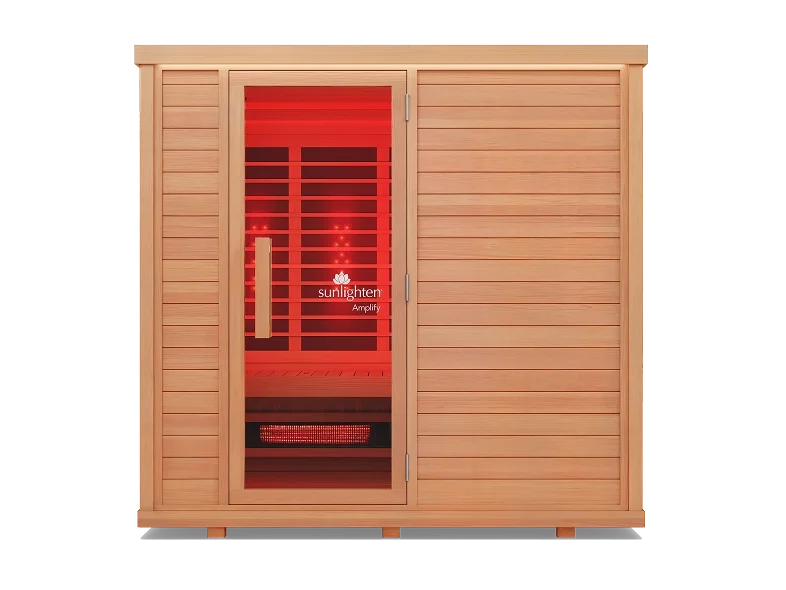
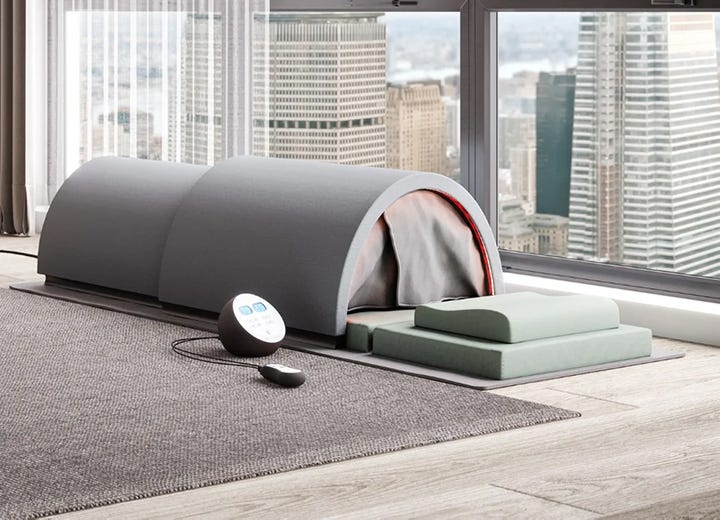
According to the American College of Critical Care Medicine, fever is defined as a core temperature of 100.9°F (38.3°C) or higher, i.e. just above the upper limit of an average human temperature, irrespective of the cause.3 Sunlighten saunas can penetrate deep into tissues and raise core body temperature to approximately 102°F (39°C). Although the sauna heats you up differently than a fever does, the increased body temperature can provide many benefits of fever, such as improving immune functions and preparing your body for the cold and flu season. Here are five examples explaining how this works.
Makes antiviral and antibacterial immune responses more efficient
Many aspects of immune function are heat-sensitive and are designed to be mobilized in response to a fever. Specifically, fever-range body temperature causes the body to favor anti-viral and anti-bacterial immune response (Th1) over the antiparasitic or allergic (Th2) immune response. In addition, fever-range temperature helps the immune system better remember germs that you are exposed to, so that the next time you encounter the pathogens, your body can fight them off better.4
In addition to heating the body, near-infrared light also stimulates white blood cells and increases antibodies against germs by increasing cellular energy production.5